
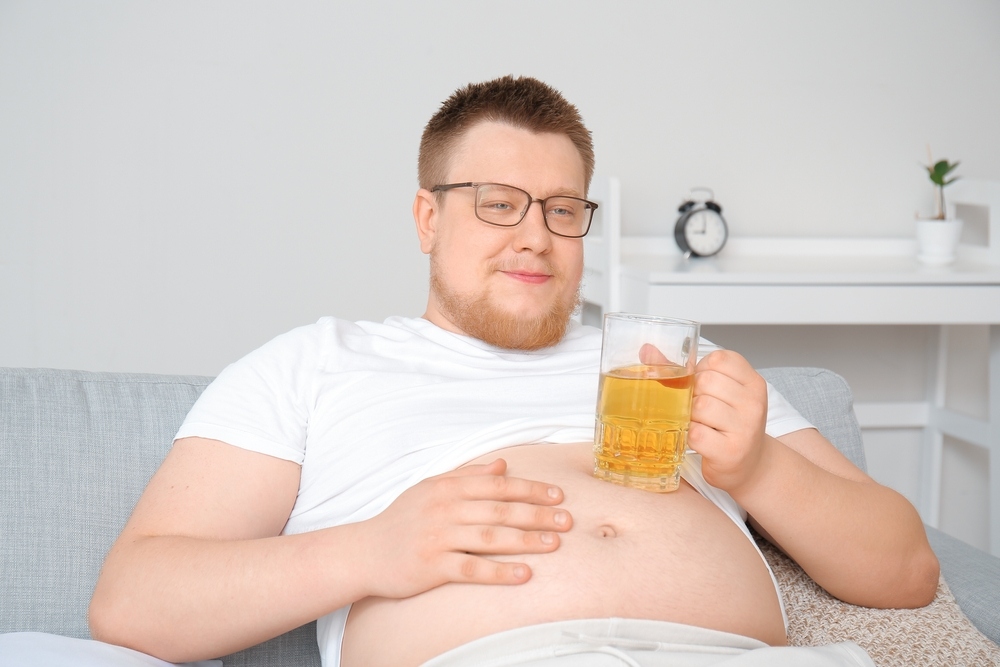
How Alcohol Affects Your Weight Loss Progress
You have been consistent with your eating habits, staying in a calorie deficit, and making real progress. But you have also noticed that the weeks when you drink more seem to stall your results in ways that do not fully add up on paper. You are not imagining it.
The relationship between alcohol and weight loss is more complicated than simply counting the calories in your glass. Alcohol affects fat metabolism, hunger hormones, sleep quality, decision-making around food, and several other biological systems that directly influence how well your body responds to a weight loss program. Understanding exactly what is happening gives you the information to make choices that work for your goals rather than against them.
How Your Body Processes Alcohol Differently Than Food
When you consume alcohol, your body treats it as a priority toxin. Unlike carbohydrates, protein, and fat, which are queued for digestion and metabolism through normal pathways, alcohol is recognized as a foreign substance that needs to be cleared from the bloodstream as quickly as possible.
The liver is the primary organ responsible for processing alcohol, and it shifts its focus almost entirely to this task the moment alcohol enters your system. This metabolic prioritization has significant consequences for everything else your body was doing before you started drinking, including burning fat.
According to research published by the National Institute on Alcohol Abuse and Alcoholism, alcohol provides approximately seven calories per gram, making it the second most calorie-dense macronutrient after fat. But unlike fat, protein, or carbohydrates, alcohol provides no nutritional value and cannot be stored for later use. The body must process it immediately, which is exactly why it displaces all other metabolic priorities.
How Alcohol Pauses Fat Burning
This is the mechanism that most directly explains the connection between alcohol and weight loss resistance: when alcohol is present in your system, fat oxidation essentially stops.
Your liver can only process a limited amount of alcohol per hour, roughly one standard drink’s worth for the average adult. During the hours it takes to clear the alcohol from your bloodstream, the metabolic pathways responsible for breaking down fat are suppressed. Your body is simply too busy managing the alcohol to burn fat at the same time.
Research published in the American Journal of Clinical Nutrition found that fat oxidation was reduced by as much as 73 percent in the hours following alcohol consumption. That is not a modest effect. It represents a near-complete halt in fat burning for the duration of alcohol metabolism, which can span four to eight hours or more depending on how much was consumed.
If you are following a medically supervised weight loss program and drinking regularly, this suppression of fat oxidation can significantly blunt the results you would otherwise be seeing, even if your overall calorie balance looks correct on paper.
Alcohol Calories and Why They Add Up Faster Than You Think
Beyond the metabolic effects, the raw caloric contribution of alcohol is frequently underestimated. Here is a practical breakdown.
A standard glass of wine contains approximately 120 to 150 calories. A regular beer is roughly 150 calories. A cocktail made with spirits and a mixer can easily reach 200 to 300 calories or more depending on what is in it. Two or three drinks in an evening represents an additional 300 to 500 calories or more that many people do not account for in their daily intake.
There is also the issue of what alcohol is mixed with. Juices, sodas, syrups, and tonic water all add sugar and additional calories on top of the alcohol itself. A margarita made with a commercial mix can contain more than 400 calories in a single serving.
Over a week, regular drinking can easily add 1,000 to 2,000 untracked calories to your intake, which is more than enough to eliminate a calorie deficit entirely and explain why the scale is not moving despite what appears to be consistent effort during the day.
What Alcohol Does to Hunger and Cravings
One of the most practically significant effects of alcohol on weight management is what it does to appetite and food choices. Alcohol lowers inhibitions broadly, and this includes the behavioral inhibitions that normally support smart food choices.
Research published in Nature Communications found that alcohol activates the same neurological pathways as hunger, causing the brain to send appetite signals even when the body has consumed adequate calories. This helps explain the well-documented phenomenon of increased food intake after drinking, particularly for calorie-dense, high-fat, and high-sodium foods.
Alcohol also temporarily reduces leptin, the hormone that signals fullness. Lower leptin means the brain receives weaker satisfaction signals after eating, making it easier to consume significantly more food than you intended. The combination of amplified hunger signals and suppressed satiety signals creates a challenging environment for maintaining the dietary discipline that supports consistent weight loss.
This effect on food choices the evening of and the morning after drinking is one of the most significant but least discussed ways that alcohol interferes with progress, often adding hundreds of additional calories beyond what was consumed in the drinks themselves.
How Alcohol Disrupts Sleep and Why That Matters for Weight Loss
Many people believe that alcohol helps them sleep because it makes them feel drowsy and helps them fall asleep faster. This is partially true but misleading. While alcohol may accelerate sleep onset, it significantly disrupts sleep quality, particularly in the second half of the night.
Alcohol suppresses REM sleep, the deep, restorative phase of sleep associated with hormonal regulation, memory consolidation, and metabolic recovery. Poor REM sleep is directly linked to elevated ghrelin, the hunger hormone, and reduced leptin the following day. This creates a cycle where drinking the night before makes you hungrier and less satisfied with food the next day, compounding the dietary challenges discussed above.
As noted in the weight loss and sleep blog published previously, sleep disruption is one of the most significant and underappreciated obstacles to consistent weight loss. Alcohol is one of the most common and avoidable causes of that disruption.
Poor sleep also elevates cortisol the following day, which promotes abdominal fat storage and further suppresses the metabolic environment needed for effective fat burning.
Alcohol, Cortisol, and Abdominal Fat
Alcohol consumption raises cortisol levels both acutely during consumption and in the hours that follow. Cortisol is the body’s primary stress hormone, and chronically elevated cortisol is one of the most reliable drivers of abdominal fat accumulation.
Cortisol promotes fat storage around the midsection by activating receptors in visceral fat tissue that are particularly sensitive to this hormone. For people who are already working to reduce abdominal fat, regular alcohol consumption that consistently elevates cortisol works directly against that goal.
The cortisol elevation from alcohol also suppresses testosterone production in men, which compounds the negative effects on body composition. Lower testosterone means reduced muscle maintenance, slower metabolism, and a less favorable fat-to-muscle ratio over time.
Understanding the lab testing and diagnostics picture, including cortisol and testosterone alongside standard metabolic markers, can help clarify whether hormonal disruption from lifestyle factors including alcohol is contributing to your weight loss resistance.
How Alcohol Interacts With GLP-1 Medications
If you are currently using GLP-1 or GIP/GLP-1 medications as part of a medically supervised weight loss program, there are specific considerations around alcohol worth understanding.
GLP-1 medications slow gastric emptying, which means alcohol may be absorbed more slowly and its effects may feel more pronounced or last longer than expected. This changes the predictability of alcohol’s effects and requires additional caution around consumption levels.
Some people on GLP-1 medications report that their desire to drink alcohol naturally decreases, which appears to be related to the medication’s effects on the brain’s reward system. This is an observed but not fully understood effect that may work in favor of people trying to reduce their alcohol intake alongside their weight loss program.
Nausea is a common side effect in the early weeks of GLP-1 therapy, and alcohol can worsen gastrointestinal symptoms significantly during this adjustment period. Most providers recommend avoiding or minimizing alcohol, particularly in the first weeks of starting these medications.
If you have questions about how alcohol interacts with your specific medications or program, this is an important conversation to have during your next medical weight loss follow-up appointment.
Practical Guidance for People Who Choose to Drink
Eliminating alcohol entirely is not realistic or necessary for everyone. These evidence-based strategies help minimize the impact of alcohol on your progress if you choose to continue drinking in moderation.
Account for alcohol calories accurately. Track every drink the same way you track food. Awareness alone often changes consumption patterns significantly.
Choose lower-calorie options. Spirits with soda water and citrus, dry wines, and light beers have meaningfully fewer calories than cocktails, sweet wines, and craft beers with high alcohol content.
Eat a protein-rich meal before drinking. Food in the stomach slows alcohol absorption, reduces the intensity of hunger signals while drinking, and helps stabilize blood sugar. Protein specifically supports satiety and muscle preservation.
Set a clear limit before you start. Decision-making quality decreases with each drink. Setting a firm limit in advance and communicating it to others if helpful is more effective than trying to make that decision in the moment.
Prioritize the days around your drinking. If you choose to drink on a Saturday evening, making sure your eating, sleep, and movement on Friday and Sunday are dialed in helps offset the metabolic cost.
Build in alcohol-free periods. Even reducing alcohol to one or two evenings per week rather than daily can meaningfully improve fat oxidation, sleep quality, and overall progress over a month-long period.
Frequently Asked Questions
Yes, temporarily. When alcohol is present in your system, fat oxidation is significantly suppressed while your liver prioritizes clearing the alcohol. This effect lasts for the duration of alcohol metabolism, which can be four to eight hours or more depending on the amount consumed. Fat burning resumes once the alcohol has been fully processed.
Yes, but it requires accounting for alcohol calories, managing its effects on hunger and sleep, and keeping consumption genuinely moderate. Many people find that even modest reductions in alcohol intake produce noticeable improvements in weight loss progress, particularly when they have been stalled.
No alcohol actively supports weight loss. However, lower-calorie options such as dry wines, spirits with non-caloric mixers, and light beers have fewer calories per serving and a smaller impact on daily intake compared to cocktails, sweet wines, and high-alcohol craft beverages.
Yes. Alcohol raises cortisol, which promotes visceral fat storage specifically in the abdominal region. The empty calories in alcohol are also more likely to be stored as fat when consumed in excess, and the tendency to eat more after drinking often includes high-fat, high-sodium foods that further contribute to abdominal fat accumulation.
Fat burning generally resumes once alcohol has been fully cleared from the bloodstream. For a person of average size consuming two to three standard drinks, this typically takes six to eight hours. Consuming larger amounts extends this window accordingly.
The More You Understand, the Better Your Decisions
Alcohol and weight loss are not mutually exclusive, but they do require honesty about how much alcohol is actually in the picture and what it is costing your progress. For many people, this is the missing piece that explains results that have been slower than expected.
If your progress has stalled and you want a clearer picture of what is affecting your results, a personalized medical consultation is a practical next step.
Disclaimer
The information in this article is for educational purposes only and does not constitute medical advice. Questions about alcohol consumption and its interaction with medications or medical weight loss programs should be directed to your licensed healthcare provider. Please review the disclaimer for full information.
References
National Institute on Alcohol Abuse and Alcoholism. (2024). Alcohol and nutrition. U.S. Department of Health and Human Services. https://www.niaaa.nih.gov/publications/brochures-and-fact-sheets/alcohol-and-nutrition
Siler, S. Q., Neese, R. A., & Hellerstein, M. K. (1999). De novo lipogenesis, lipid kinetics, and whole-body lipid balances in humans after acute alcohol consumption. American Journal of Clinical Nutrition, 70(5), 928–936. https://doi.org/10.1093/ajcn/70.5.928
Cains, S., Blomeley, C., Kollo, M., Rácz, R., & Burdakov, D. (2017). Agrp neuron activity is required for alcohol-induced overeating. Nature Communications, 8, 14014. https://www.nature.com/articles/ncomms14014