
Microneedling for Acne Scars: What You Need to Know Before Treatment
Acne scars can be stubborn. Even after breakouts stop, uneven texture and visible marks may remain. If you’ve been researching treatments, you’ve likely come across microneedling for acne scars as a popular option.
This treatment has gained attention because it supports your skin’s natural healing process. But how does it actually work? Who is it best for? And what kind of results can you realistically expect?
What Is Microneedling for Acne Scars?
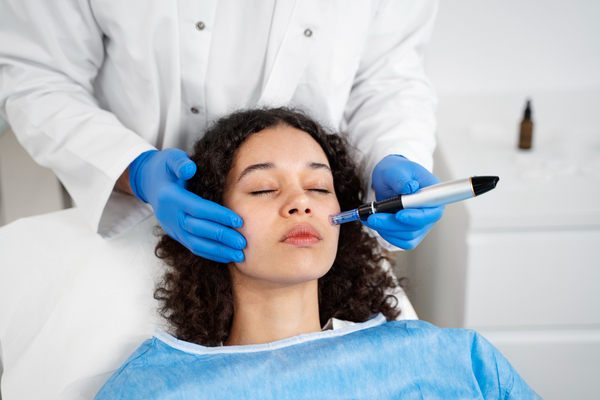
Microneedling for acne scars is a minimally invasive skin treatment that uses very fine needles to create controlled micro-injuries in the skin. These tiny punctures stimulate collagen and elastin production.
Collagen is the protein that helps keep your skin firm and smooth. When acne damages deeper layers of skin, it disrupts collagen structure. This is what creates depressed or uneven scars.
By encouraging new collagen formation, microneedling helps:
Improve skin texture
Soften the appearance of acne scars
Reduce pore size
Support overall skin rejuvenation
This process is often called collagen induction therapy because it works by activating your body’s natural repair response.
The American Academy of Dermatology explains that acne scars form when the skin’s healing process disrupts collagen, which is why treatments that stimulate collagen production can improve their appearance.
How Does Microneedling Improve Acne Scars?
Not all acne scars are the same. Microneedling is especially effective for:
Atrophic scars (depressed scars)
Rolling scars
Boxcar scars
Here’s how it helps:
1. Stimulates Collagen Production
The controlled micro-injuries signal your skin to repair itself. As new collagen forms, the treated area becomes firmer and more even.
2. Breaks Down Scar Tissue
The needling action can help disrupt rigid scar tissue. Over time, this can soften and smooth uneven areas.
3. Improves Skin Texture Gradually
Results don’t happen overnight. Improvement happens gradually as collagen remodels over several weeks.
Clinical research published in the National Library of Medicine highlights microneedling as a promising treatment for atrophic acne scars due to its collagen-stimulating effects.
What to Expect During a Microneedling Treatment
If you’re considering microneedling treatment, it helps to understand the process.
Before the Procedure
Your provider will assess your skin type, scar type, and overall health history. A topical numbing cream is usually applied to reduce discomfort.
During the Procedure
A handheld device with sterile needles is passed over the treatment area. The depth is adjusted depending on the severity of the scars.
Most sessions take about 30 to 60 minutes.
After the Procedure
You may notice:
Mild redness (similar to a sunburn)
Slight swelling
Sensitivity for one to three days
Downtime is typically minimal compared to more aggressive resurfacing treatments.
How Many Sessions Are Needed?
One session is rarely enough for noticeable acne scar reduction.
Most people require:
Three to six sessions
Spaced four to six weeks apart
The number depends on scar severity and your skin’s response.
Collagen production continues for weeks after each session. This means improvements build gradually over time.
Who Is a Good Candidate for Microneedling for Acne Scars?
Not everyone with acne scars is automatically a candidate for microneedling for acne scars. The best results typically occur when the treatment is matched carefully to the scar type, skin condition, and overall health history.
Microneedling works particularly well for atrophic scars, which are depressed scars caused by collagen loss. These include rolling scars and shallow boxcar scars. Because the treatment stimulates collagen production, it helps rebuild structural support beneath the skin’s surface over time.
You may be a good candidate if you:
Have mild to moderate depressed acne scars
Want gradual improvement rather than aggressive resurfacing
Prefer minimal downtime
Have realistic expectations about results
Are not currently experiencing active acne flare-ups
However, microneedling may not be ideal if you have:
Active cystic acne
Severe keloid scarring tendencies
Certain autoimmune conditions
Blood clotting disorders
Active skin infections
Skin tone is another important consideration. One advantage of microneedling is that it can often be performed on a wide range of skin tones with lower risk of post-inflammatory hyperpigmentation compared to some laser treatments. That makes it a versatile option for patients concerned about pigment changes.
A consultation is essential because acne scars vary in depth and structure. In some cases, combining microneedling with other treatments such as chemical peels, platelet-rich plasma (PRP), or laser resurfacing may produce more noticeable improvement. The right approach depends on your individual skin assessment.
Setting realistic expectations is just as important as selecting the right candidate. Microneedling improves the appearance of acne scars, it does not remove them entirely. Most patients notice smoother texture and softer scar edges after completing a treatment series, with results continuing to develop over several months as collagen remodels.
Is Microneedling Safe for All Skin Types?
One reason microneedling for acne scars is popular is its versatility. It can generally be performed on various skin tones with lower risk of pigmentation issues compared to some laser treatments.
However, it may not be recommended if you have:
Active acne breakouts
Certain skin infections
Blood clotting disorders
Uncontrolled medical conditions
A professional consultation is essential to determine whether you’re a suitable candidate.
How Does Microneedling Compare to Other Acne Scar Treatments?
You might be wondering how it stacks up against other options.
Here’s a simple comparison:
Chemical peels: Improve surface discoloration but may not significantly treat deep scars
Laser resurfacing: Can be effective but may involve longer downtime
Microneedling: Stimulates natural collagen with moderate downtime and gradual improvement
The best option depends on scar type, skin tone, budget, and desired recovery time.
Realistic Results: What Microneedling Can and Cannot Do
Microneedling helps improve the appearance of acne scars. It does not completely erase them.
Most patients notice:
Smoother skin texture
Softer scar edges
Brighter overall complexion
Results are progressive. Full improvement may take several months after completing a treatment series.
Consistency and proper aftercare play a major role in achieving the best outcome.
Tips to Maximize Your Results
To support healing and collagen production:
Avoid sun exposure after treatment
Use gentle skincare products
Follow post-care instructions carefully
Stay consistent with your treatment plan
Good skincare between sessions helps enhance results.
Frequently Asked Questions
Most people describe the sensation as mild pressure or light scratching. A numbing cream is typically applied beforehand to improve comfort.
Redness usually fades within 24 to 72 hours. Some people experience slight dryness for a few days.
It is not recommended during active breakouts. Treating inflamed acne can spread bacteria and worsen irritation.
Some improvements may be visible within a few weeks. More noticeable changes typically appear after multiple sessions.
Considering Treatment for Acne Scars? Here’s Your Next Step
If acne scars affect your confidence, microneedling for acne scars may be worth exploring. It works by stimulating your skin’s natural healing process and encouraging new collagen growth.
The key is setting realistic expectations. Improvements happen gradually and require multiple sessions.
Need help deciding if this treatment is right for your skin concerns? Reach out to qualified professionals.
Disclaimer
This content is for educational purposes only and does not constitute medical advice. Individual results vary. A consultation with a qualified medical professional is required to determine appropriate treatment options.