
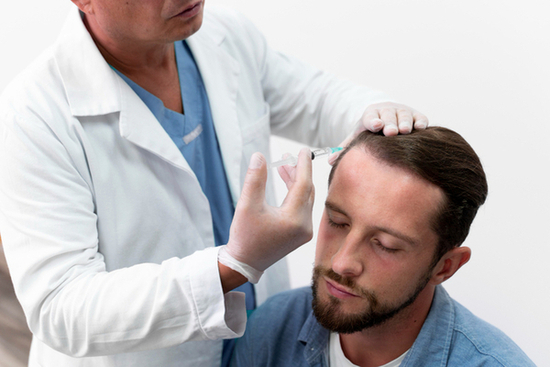
PRP Hair Restoration Treatment: How It Works and What to Expect
Hair thinning can feel gradual at first. You notice more hair in the shower. Your part looks wider. Your ponytail feels thinner. Over time, those small changes become harder to ignore.
If you’ve been researching options, you’ve likely come across hair restoration treatment using platelet-rich plasma, commonly called PRP. But how does it actually work? And what should you expect before, during, and after treatment?
What Is a Hair Restoration Treatment?
A hair restoration treatment is a non-surgical procedure designed to support hair growth, improve scalp health, and strengthen existing follicles. Many modern approaches use platelet-rich plasma (PRP), which is derived from your own blood and contains concentrated growth factors.
PRP hair restoration works by injecting these growth factors into areas of thinning hair to stimulate follicles and support the natural growth cycle.
According to the American Academy of Dermatology, hair loss can result from genetics, hormonal shifts, stress, illness, or medical conditions. Treatment options vary depending on the cause and stage of thinning.
How PRP Hair Restoration Works
PRP hair restoration is a three-step process:
A small amount of your blood is drawn.
The blood is placed in a centrifuge to separate platelet-rich plasma.
The concentrated PRP is injected into targeted areas of the scalp.
Platelets contain growth factors that may support tissue repair and cellular activity. When injected into the scalp, they may help improve blood supply to hair follicles and prolong the active growth phase of hair.
This is why PRP is considered a non-surgical hair restoration option. There are no incisions and no transplant procedure.
Research published in medical journals suggests PRP may increase hair density in some individuals with androgenetic alopecia, though results vary from person to person.
Who Is a Good Candidate for Hair Restoration Treatment?
PRP hair restoration may be appropriate if you:
Have early to moderate hair thinning
Notice gradual widening of your part
Experience shedding related to stress or hormonal changes
Want a non-surgical option before considering transplant
It may be less effective for individuals with complete follicle loss or advanced baldness where follicles are no longer active.
A consultation typically includes a scalp evaluation and discussion of medical history to determine suitability.
What to Expect During the Procedure
Most appointments take about 45 to 60 minutes.
You may feel mild pressure or brief discomfort during injections, but topical numbing is often used to improve comfort.
There is minimal downtime. Some people experience temporary redness or tenderness at injection sites, which usually resolves within a day or two.
Because it uses your own plasma, the risk of allergic reaction is low.
How to Prepare for a Hair Restoration Treatment Appointment
Deciding to move forward with a hair restoration treatment is one step. Preparing properly for your appointment is another. While PRP hair restoration is minimally invasive, preparation can influence comfort and overall experience.
Here’s what you should know before your visit.
Review Your Medical History
Before treatment, you’ll typically discuss your medical history, medications, and any underlying conditions. Be prepared to mention:
Blood disorders
Autoimmune conditions
Thyroid issues
Recent illnesses
Current medications or supplements
Certain medications, especially blood thinners or anti-inflammatory drugs, may need special consideration. Never stop medications without medical guidance, but do provide a complete list during your consultation.
Avoid Anti-Inflammatory Medications (If Advised)
Because PRP relies on your body’s natural growth factors and inflammatory response, some providers recommend avoiding non-steroidal anti-inflammatory drugs (NSAIDs) for several days before treatment. This may help preserve platelet activity.
Always follow your provider’s specific instructions.
Wash Your Hair the Day of Treatment
Arrive with clean hair and a clean scalp. Avoid heavy styling products, oils, or dry shampoo on the day of your appointment. A clean scalp reduces the risk of irritation and allows for clearer treatment areas.
You do not typically need to shave your head. PRP hair restoration is injected directly into thinning areas without altering existing hair length.
Eat and Hydrate Before Your Visit
Since a small blood draw is required, it’s best to eat a light meal beforehand and stay hydrated. Proper hydration may make the blood draw easier and more comfortable.
Avoid excessive alcohol consumption at least 24 hours before treatment, as alcohol can thin the blood.
Plan for Mild Post-Treatment Sensitivity
Most people return to normal activities the same day. However, you may experience:
Mild scalp tenderness
Slight swelling
Temporary redness
These effects usually resolve quickly. Avoid vigorous scalp massage, intense exercise, or hair coloring treatments for a short period after injections, depending on your provider’s instructions.
Set Realistic Expectations
Hair restoration treatment works gradually. Hair grows in cycles, and follicles respond over time. You may not see immediate visible changes. Early improvements may include reduced shedding before noticeable thickening occurs.
It’s important to view PRP hair restoration as a process rather than a one-time event. Consistency with recommended sessions often supports better long-term outcomes.
Track Your Progress
Taking baseline photos before beginning treatment can help you objectively monitor changes. Lighting, angles, and hair styling can influence perception, so consistent documentation provides clearer comparison over time.
This preparation phase helps ensure your experience is smooth, informed, and aligned with your expectations. When you understand how hair restoration treatment works and how to prepare for it, you’re more confident in your decision-making process.
How Many Sessions Are Needed?
Hair restoration treatment with PRP is typically performed in a series.
Many providers recommend:
Three initial sessions spaced four to six weeks apart
Maintenance sessions every four to six months
Hair growth takes time. Hair cycles through growth, resting, and shedding phases. It may take several months before visible changes appear.
This works because hair follicles respond gradually to stimulation. Improvements often become noticeable between three and six months.
Benefits of Non-Surgical Hair Restoration
Compared to surgical options, PRP hair restoration offers:
No incisions or stitches
Minimal recovery time
Use of your own biological material
Gradual, natural-looking improvement
For people not ready for transplant surgery, it can be an early intervention option.
The Cleveland Clinic notes that PRP is used in multiple medical applications to support healing, though outcomes depend on individual biology and treatment protocols.
Hair Restoration Treatment vs Hair Transplant
You might be wondering how PRP compares to a hair transplant.
Hair transplant:
Surgical procedure
Moves follicles from one area to another
Immediate relocation of hair
PRP hair restoration:
Non-surgical
Stimulates existing follicles
Gradual improvement
PRP does not create new follicles. It supports the ones you already have.
For some individuals, PRP may be used alongside other therapies to enhance overall results.
Frequently Asked Questions
Results vary. Maintenance sessions are often recommended to sustain improvement.
Yes, PRP hair restoration can be used for both men and women experiencing thinning.
Mild swelling or soreness can occur temporarily. Serious complications are uncommon when performed by qualified professionals.
Many people notice improvement between three and six months, though individual timelines differ.
Exploring Your Hair Restoration Options
Hair thinning can affect confidence, but treatment options continue to evolve. PRP hair restoration offers a non-surgical approach designed to support scalp health and encourage natural growth patterns.
If you’re exploring hair restoration treatment, understanding the process, expectations, and candidacy criteria helps you make informed decisions.
Disclaimer
This content is for educational purposes only and does not constitute medical advice. Individual results vary. A consultation with a qualified medical professional is required to determine appropriate treatment options.