
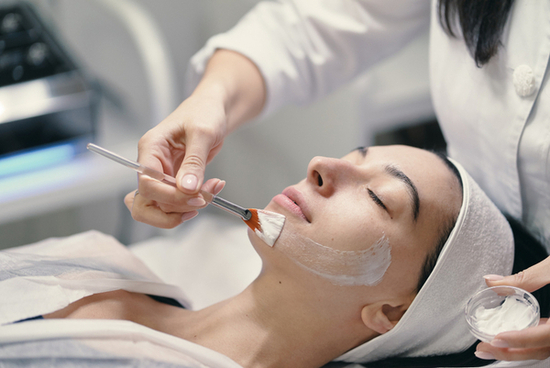
What Are the Real Chemical Peel Benefits for Your Skin?
If you’re thinking about improving your skin’s texture, tone, or clarity, you’ve probably heard about chemical peel benefits. But what do these treatments actually do, and are they worth it?
A chemical peel is a professional skin resurfacing treatment that removes damaged outer layers of skin. The goal is to encourage new, healthier skin cells to surface. In this guide, you’ll learn what chemical peel benefits are backed by dermatology science, who they’re best for, what results to expect, and how to decide if this treatment fits your goals.
What Are Chemical Peel Benefits?
Chemical peel benefits include improved skin texture, brighter tone, reduced fine lines, and fading of acne scars or hyperpigmentation. By exfoliating the outermost layer of skin, a chemical peel treatment stimulates cell turnover and collagen production, which helps skin appear smoother and more even.
According to the American Academy of Dermatology, chemical peels can help improve acne, discoloration, and signs of aging when performed by trained professionals.
How a Chemical Peel Treatment Works
A professional chemical peel uses a carefully selected solution to exfoliate the skin at a controlled depth. Depending on your concerns, the peel may be:
Superficial: Targets mild discoloration and dullness
Medium-depth: Helps with acne scars and uneven tone
Deeper resurfacing: Addresses more noticeable texture and aging concerns
The solution causes the outer layer of skin to shed over several days. As new skin emerges, it typically looks smoother and more refined.
This works because skin cell turnover slows as we age. By encouraging exfoliation, a chemical peel for hyperpigmentation or acne scars can help restore a more youthful appearance.
Smoother Skin Texture
One of the most noticeable chemical peel benefits is improved texture.
If you struggle with rough patches, enlarged pores, or uneven skin, a skin resurfacing treatment can help create a smoother surface. By removing dead skin cells and stimulating regeneration, the skin feels softer and looks more polished.
Many patients report visible refinement after even a single session, although a series may produce more consistent results.
Brighter, More Even Skin Tone
Uneven pigmentation is one of the top reasons people consider a chemical peel treatment.
Peels can help address:
Sun damage
Dark spots
Post-acne marks
Melasma (in certain cases)
By lifting discolored surface cells, a chemical peel for hyperpigmentation helps reveal clearer skin underneath. Over time, tone appears more balanced and radiant.
The Mayo Clinic explains that chemical peels are commonly used to reduce discoloration and improve overall skin appearance when selected appropriately for skin type.
Reduction in Acne and Acne Scars
Chemical peel benefits extend beyond cosmetic brightness. They can also support acne-prone skin.
Superficial peels often help reduce clogged pores by exfoliating buildup. Medium-depth peels may soften the appearance of certain acne scars by stimulating collagen and smoothing uneven areas.
For active acne, peels containing salicylic acid are commonly used because they penetrate oil glands and help reduce inflammation.
However, acne severity and skin sensitivity matter. Not every skin type responds the same way, so professional evaluation is important.
Softening Fine Lines and Early Signs of Aging
As collagen production declines, fine lines become more visible. A professional chemical peel encourages mild collagen stimulation as the skin heals.
This can help:
Soften early wrinkles
Improve skin firmness
Enhance overall radiance
While deeper wrinkles typically require other treatments, chemical peel benefits for early aging signs are well documented in dermatology practice.
Enhanced Skincare Absorption
After a chemical peel removes the outermost layer of buildup, skincare products may absorb more effectively.
That means:
Serums can penetrate better
Moisturizers may hydrate more efficiently
Active ingredients can work more effectively
This benefit often surprises people. Even if your main goal is brightness or acne reduction, improved product performance can be an added advantage.
What Results Can You Expect?
Results depend on the depth of the peel and your skin’s condition.
Here’s what’s typical:
Mild redness for a few days
Peeling or flaking for three to seven days (superficial peel)
Gradual improvement in tone and texture over several weeks
Multiple treatments are often recommended for concerns like acne scarring or hyperpigmentation. Realistic expectations are important. Chemical peel benefits are progressive, not instant or permanent.
Who Is a Good Candidate?
You may benefit from a chemical peel if you have:
Uneven skin tone
Mild to moderate acne scars
Sun damage
Dull or rough skin texture
Fine lines
People with very sensitive skin, certain inflammatory conditions, or active infections may need alternative treatments. A consultation helps determine safety and suitability.
How to Prepare for a Chemical Peel Treatment
Preparing properly can help you get the best results and reduce irritation. While instructions vary depending on peel depth, most providers recommend a few simple steps before your appointment.
You may be advised to:
Avoid retinoids or strong exfoliants for several days
Limit sun exposure before treatment
Pause certain active skincare ingredients
Disclose any recent procedures or medications
Following pre-treatment guidance helps your skin respond more predictably and lowers the risk of irritation or uneven results.
After your peel, consistent sunscreen use is essential. New skin is more sensitive to UV exposure, and protecting it helps maintain the full benefits of your treatment.
Common Myths About Chemical Peels
Myth 1: Chemical peels thin your skin.
In reality, controlled exfoliation can stimulate healthy regeneration.
Myth 2: All peels cause extreme peeling.
Superficial peels often result in light flaking, not dramatic shedding.
Myth 3: Results happen overnight.
Chemical peel benefits appear gradually as new skin develops.
Frequently Asked Questions
Results can last several months depending on skincare habits, sun protection, and the type of peel used.
Most superficial and medium peels cause mild tingling or warmth rather than pain.
For pigmentation or acne scars, three to six sessions spaced several weeks apart are common.
Superficial peels usually involve minimal downtime. Medium-depth peels may require several days of visible peeling.
Thinking About Refreshing Your Skin?
Understanding chemical peel benefits helps you make informed decisions about your skin. These treatments can improve texture, tone, acne scarring, and early aging signs when performed appropriately and selected for your skin type.
If you’re exploring ways to refresh your complexion, a professional evaluation can help determine whether a chemical peel treatment aligns with your goals.
Disclaimer
This content is for educational purposes only and does not constitute medical advice. Individual results vary. A consultation with a qualified medical professional is required to determine appropriate treatment options.