
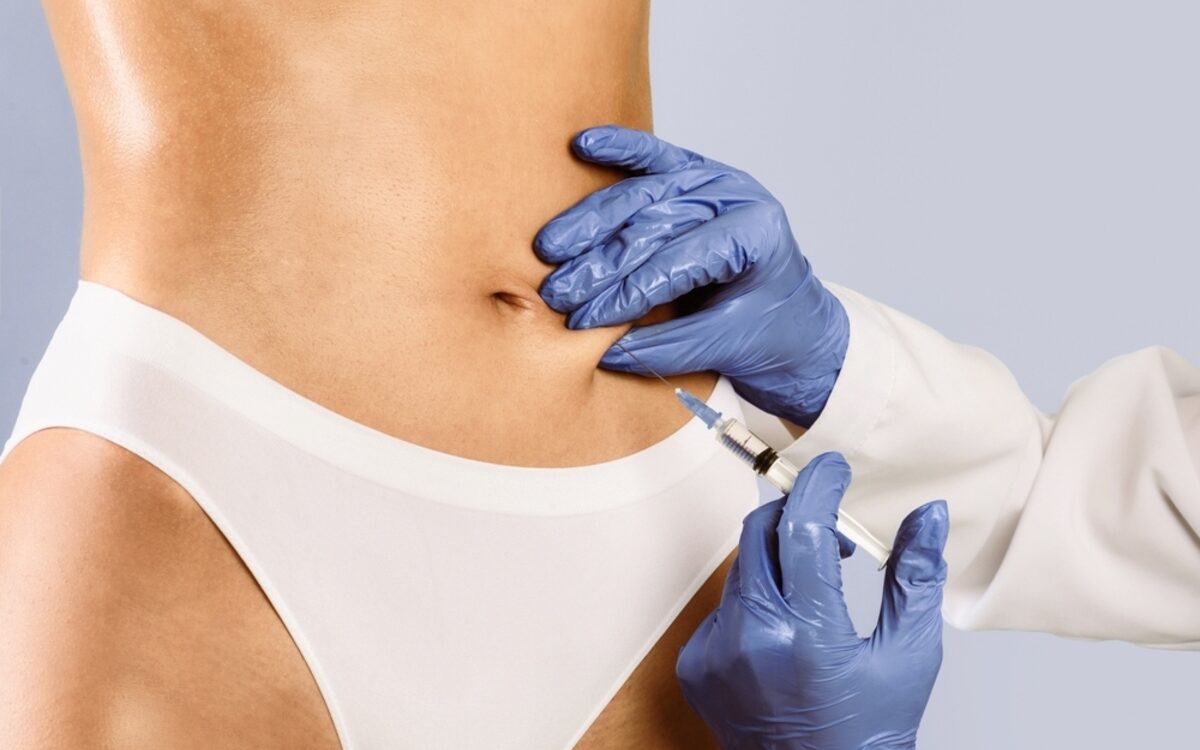
What Are Weight Loss Injections and How Do They Work?
You have probably heard a lot about weight loss injections lately. They are showing up in conversations, wellness communities, and medical offices across the country. But if you are wondering what they actually are, how they work inside your body, and whether they might be right for you, you are in the right place.
This guide breaks down everything you need to know about weight loss injections, including the science behind them, the different types available, and what you can realistically expect from treatment.
What Are Weight Loss Injections?
Weight loss injections are FDA-approved medications administered by injection, typically once a week, that work with your body’s own hormonal system to help reduce appetite, regulate blood sugar, and support sustainable fat loss.
They are not diet pills. They are not stimulants. They are medications designed to address some of the biological barriers that make long-term weight loss so difficult for so many people.
The most widely used weight loss injections today belong to a class of medications called GLP-1 receptor agonists, and more recently, dual-action GIP/GLP-1 receptor agonists. Both types have been studied extensively and have shown significant results in clinical trials. According to the National Institutes of Health, participants using GLP-1 medications in clinical settings lost significantly more weight than those using a placebo, with some losing more than 15% of their body weight over 68 weeks.
How Do GLP-1 Weight Loss Injections Work?
GLP-1 stands for glucagon-like peptide-1. This is a hormone your body naturally produces in the gut after you eat. Its job is to signal to your brain that you are full, slow the rate at which your stomach empties, and help regulate blood sugar levels.
When you take a GLP-1 receptor agonist, you are essentially giving your body a consistent, sustained version of that signal. Here is what happens:
- Appetite is reduced. Your brain receives stronger and more consistent fullness signals, so you feel satisfied with less food.
- Stomach emptying slows. Food moves through your digestive system more gradually, keeping you full longer after meals.
- Blood sugar stabilizes. More balanced glucose levels reduce the energy crashes and cravings that often derail weight loss efforts.
- Calorie intake decreases naturally. Because you are not as hungry, you tend to eat less without the white-knuckling and willpower battles that come with traditional dieting.
This is why GLP-1 therapy has become one of the most talked-about tools in medical weight management. It works with your biology rather than against it.
What Is the Difference Between GLP-1 and GIP/GLP-1 Injections?
GIP/GLP-1 medications, such as tirzepatide, represent the next generation of weight loss injections. Instead of targeting just one hormone receptor, they target two: GLP-1 and GIP (glucose-dependent insulinotropic polypeptide).
GIP is another gut hormone involved in insulin response and fat metabolism. By activating both receptors simultaneously, GIP/GLP-1 medications offer a dual-action approach that can result in even greater appetite control and metabolic improvements compared to GLP-1 alone.
Research published in the New England Journal of Medicine found that tirzepatide led to an average weight reduction of up to 22.5% in adults with obesity over 72 weeks, making it one of the most effective non-surgical weight loss interventions studied to date.
Both options are available as part of a medically supervised program. The right choice for you depends on your health history, current medications, lab results, and specific goals.
Who Are Weight Loss Injections For?
Weight loss injections are typically considered for adults who meet certain medical criteria. You may be a candidate if you:
- Have a BMI of 30 or higher (obesity)
- Have a BMI of 27 or higher with at least one weight-related health condition such as high blood pressure, type 2 diabetes, or high cholesterol
- Have struggled to achieve or maintain weight loss through diet and exercise alone
- Do not have contraindications based on your health history
These medications are not appropriate for everyone. A thorough consultation and lab testing are essential before starting any injectable weight loss program. A qualified provider will review your full medical picture to determine whether this approach is suitable for your situation.
What Can You Expect When You Start Weight Loss Injections?
Understanding the general timeline helps set realistic expectations. Every person’s response is individual, but here is what the process typically looks like.
The First Few Weeks
Most people notice a reduction in appetite within the first one to two weeks. Food cravings tend to become less intense, and portion sizes naturally decrease. Some people experience mild side effects during this adjustment period, including nausea, mild stomach discomfort, or fatigue. These effects usually ease as the body adapts to the medication.
Weeks 4 Through 8
This is when many people begin to notice meaningful changes on the scale. The combination of reduced calorie intake and improved metabolic function starts to show measurable results. Energy levels often improve as blood sugar regulation stabilizes.
Beyond 8 Weeks
Weight loss tends to continue at a steady pace over the following months. Progress is gradual and sustainable, which is one of the key advantages of this approach over crash dieting or extreme calorie restriction. Most programs include regular follow-up appointments to monitor progress and adjust the plan as needed.
How Weight Loss Injections Differ From Traditional Dieting
One of the most common questions people have is how this approach is fundamentally different from simply eating less and exercising more. The distinction matters.
Traditional dieting works by creating a calorie deficit through willpower and behavioral discipline alone. The problem is that your body has powerful hormonal mechanisms designed to resist that deficit. Hunger hormones rise, metabolism slows, and cravings intensify. This is why most people who lose weight through dieting alone regain it within one to two years.
Weight loss injections address the hormonal side of the equation directly. By consistently activating GLP-1 receptors, they reduce the biological drive to overeat. This does not replace the need for healthier habits, but it removes one of the biggest obstacles that makes those habits so hard to sustain.
Think of it as leveling the playing field between your intentions and your biology. Many people describe the experience as finally feeling in control of their appetite for the first time, not because they are suppressing cravings through willpower, but because the cravings are genuinely less intense.
Do Weight Loss Injections Work Without Diet and Exercise?
Weight loss injections are most effective when combined with healthier eating habits and regular physical activity. The medications make it significantly easier to reduce calorie intake, but they work best as part of a broader lifestyle approach.
That said, one of the most meaningful benefits reported by patients is that the medication makes the lifestyle changes feel achievable. When hunger and cravings are under better control, choosing nutritious foods and staying active becomes considerably less of a struggle. You can also explore IV hydration therapy as a complementary support tool to maintain energy and nutrient levels throughout your weight loss journey.
According to the Mayo Clinic, weight loss medications are intended to supplement, not replace, lifestyle changes. The most durable outcomes come from combining medical support with sustainable behavioral habits.
Are There Side Effects?
Like any medication, weight loss injections carry a risk of side effects. The most commonly reported ones include:
- Nausea, especially in the early weeks
- Mild stomach upset or bloating
- Reduced appetite (which is also the intended effect)
- Occasional fatigue during dose escalation
Serious side effects are uncommon but possible. That is why medical supervision throughout the entire treatment process is non-negotiable. A qualified provider monitors your labs, adjusts your dosage as needed, and watches for any signs of complications.
What to Look for in a Medical Weight Loss Program
Not all weight loss programs that offer injectable medications are equal. The quality of the medical oversight, the comprehensiveness of the evaluation process, and the level of ongoing support all significantly affect your outcomes and safety.
Here is what a strong program should include:
- A thorough initial consultation that reviews your full medical history, current medications, and weight loss goals
- Lab work before starting to establish baseline health markers and confirm you are a suitable candidate
- A personalized treatment plan tailored to your specific health profile, not a one-size-fits-all protocol
- Regular follow-up appointments to monitor your progress, adjust your dosage, and address any side effects
- Lifestyle guidance including nutritional support and activity recommendations that complement your medication
- Clear communication so you always understand what you are taking, why, and what to expect
A medically supervised program through a qualified provider gives you the structure, accountability, and safety net that self-managed approaches simply cannot offer.
Frequently Asked Questions
The duration varies depending on your goals and how your body responds. Some people use them for a defined period to reach a target weight, while others continue longer-term under medical supervision. Your provider will guide you on what makes sense for your situation.
Weight regain is possible after stopping, particularly if lifestyle habits have not shifted. This is why sustainable behavior changes alongside medication give the best long-term outcomes. A good program prepares you for what comes after treatment, not just during it.
Coverage varies widely depending on your insurance plan and diagnosis. Many medical weight loss programs offer flexible payment options to help make treatment accessible.
Most weight loss injections are self-administered once a week using a small needle, typically into the abdomen, thigh, or upper arm. Your provider will walk you through the process at your first appointment.
If you miss a dose, take it as soon as you remember, as long as your next scheduled dose is not within a few days. Never double up on doses. Your provider will give you specific guidance based on the medication you are using.
Ready to Learn More About Your Options?
Weight loss injections are not a shortcut. They are a clinically supported tool that addresses real biological barriers to weight loss. If you have been struggling to make progress despite your best efforts, it may be time to explore whether a medically supervised approach could help.
Schedule a consultation to discuss whether weight loss injections are the right fit for your health goals. A personalized plan, guided by a qualified provider, can make all the difference.
Disclaimer
Individual results vary. Weight loss injections are prescription medications and are not appropriate for everyone. Consult a licensed medical provider to determine whether this treatment is right for your specific health situation. For full information, please review the disclaimer.